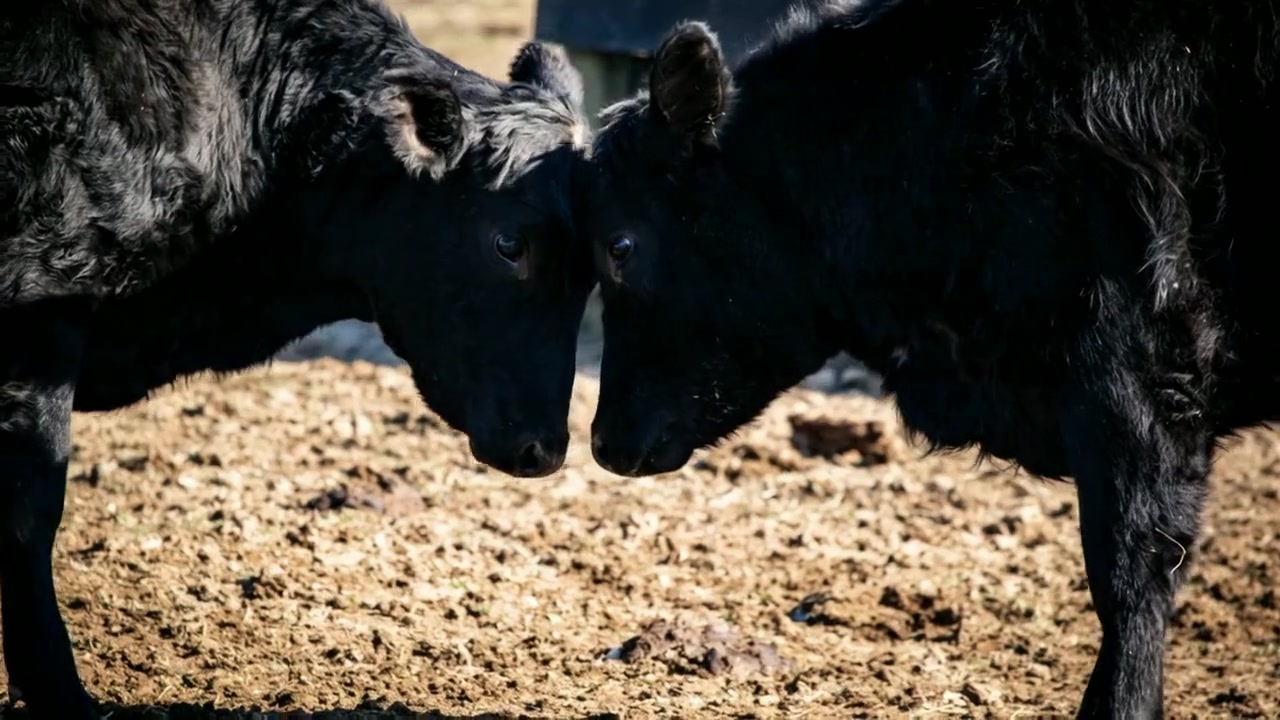
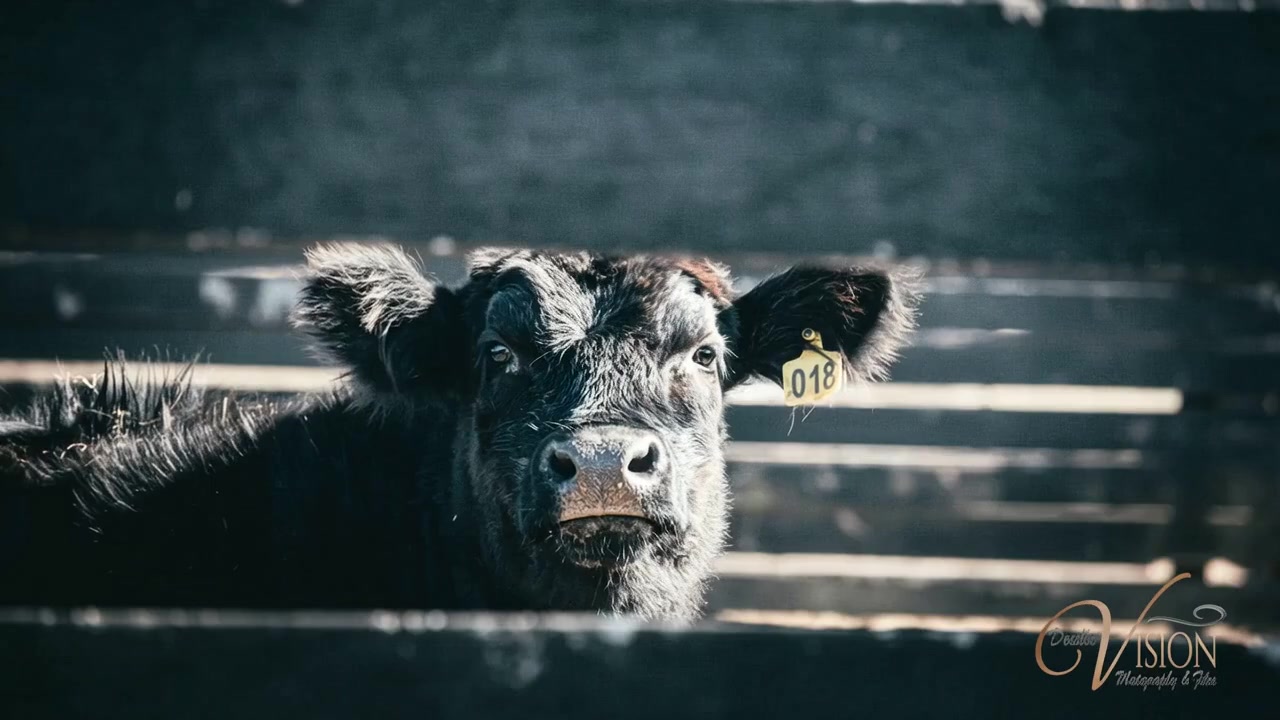
For us, it starts with how we raise and handle our cattle. We believe wholeheartedly in working cattle quietly and with as little unnecessary stress as possible, in the environment they know. Most of the time, that means we're on horseback.
There's something pretty special about moving cattle the way they naturally want to move instead of constantly pushing against them. We watch the herd, learn their behavior, and try to work with them. We use pressure and release, pay attention to their flight zones and points of balance, and adjust our pace to what the cattle are telling us.
A lot of our philosophy has been influenced by Temple Grandin's work with cattle behavior and low-stress handling. We're certainly not claiming our cattle never experience stress— they're cattle, and that's impossible. But we believe reducing fear, excitement, and unnecessary stress is simply better for the animal. And we believe that matters when it comes to the beef, too.
Research has shown that an animal's condition before harvest can affect what happens as muscle converts to meat. Excessive stress or prolonged physical exertion can use muscle glycogen—the stored energy that helps the pH decline normally after harvest. When those stores are depleted, the resulting higher pH can affect beef color, water-holding characteristics, shelf life, and overall quality. Tenderness depends on many factors, so no single handling practice can promise it. Still, we believe calm handling is part of producing better beef with care.
We also work with a professional livestock nutritionist because what goes into our cattle matters just as much as how they're handled. Our cattle are pasture raised, grass fed, and grain finished, and we're intentional about their nutrition throughout the process—from pasture and forage to supplementation and finishing.
Low-stress handling is first about doing right by the animal. We believe it is also part of raising better beef—and it gives you one more meaningful choice when buying from a local ranch.